 By Dominic E.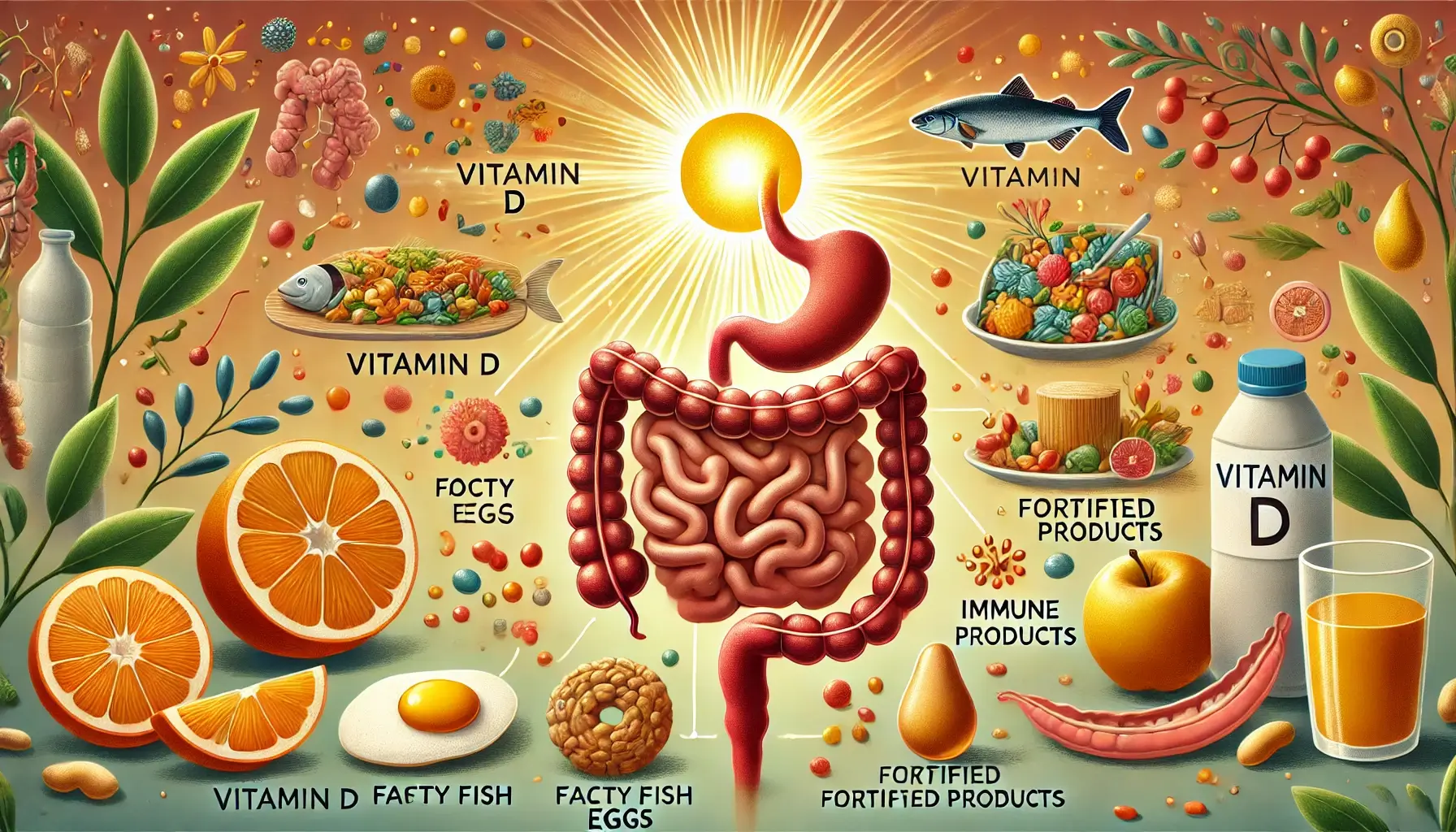
Introduction to Vitamin D and Digestive Health
Vitamin D as the sunshine vitamin is widely celebrated for its role in maintaining strong bones. However, growing evidence suggests that its impact extends far beyond skeletal health, influencing numerous physiological systems, including digestion. The connection between vitamin D and digestive health has gained attention in recent years, as studies reveal that this essential nutrient supports gut immunity, maintains intestinal barrier integrity, and fosters a balanced gut microbiome.
Digestive disorders and vitamin D deficiency such as inflammatory bowel disease (IBD), irritable bowel syndrome (IBS), and small intestinal bacterial overgrowth (SIBO) are prevalent worldwide, causing significant discomfort and health complications. These conditions often coexist with vitamin D deficiency, raising the question of whether optimizing vitamin D levels could aid in their management or prevention. Exploring the complex interplay between vitamin D and gut health offers promising insights for improving gastrointestinal health.
In this article, we delve into the mechanisms through which vitamin D influences the digestive system, examine current research findings, and provide practical recommendations for achieving optimal vitamin D levels.
Vitamin D and Digestive Health: Mechanisms at Play
Vitamin D supports digestive health through several key mechanisms:
Immune System Regulation
The gut is home to a significant portion of the immune system, which must maintain a delicate balance between attacking harmful pathogens and tolerating beneficial microbes. Vitamin D as an immunomodulator ensures this balance is maintained. It reduces the production of pro-inflammatory cytokines while enhancing antimicrobial peptides, promoting a gut environment that resists infections and inflammation.
Strengthening the Gut Barrier
The intestinal lining serves as a crucial barrier, preventing harmful substances from entering the bloodstream while allowing nutrient absorption. Vitamin D and tight junction proteins fortify this barrier and reduce intestinal permeability—a phenomenon often implicated in conditions like leaky gut syndrome and IBD.
Influencing the Microbiome
The gut microbiome and vitamin D interaction, a diverse community of microorganisms, plays an essential role in digestion, immunity, and overall health. Vitamin D has been shown to modulate the composition of the microbiome, encouraging the growth of beneficial bacteria and inhibiting harmful strains. While the exact mechanisms are still being studied, researchers believe that vitamin D contributes to a more stable and diverse microbial environment.
Current Research: Shedding Light on Vitamin D’s Role
Emerging studies provide valuable insights into the relationship between vitamin D and digestive health:
Inflammatory Bowel Disease (IBD)
A 2021 review published in Nutrients examined the role of vitamin D in inflammatory bowel disease, particularly Crohn’s disease and ulcerative colitis. The review found that individuals with IBD often exhibit lower vitamin D levels compared to healthy controls. Supplementation was associated with reduced inflammation and improved clinical outcomes, highlighting the potential of vitamin D as a complementary therapy.
Irritable Bowel Syndrome (IBS)
IBS, characterized by symptoms like abdominal pain, bloating, and altered bowel habits, has also been linked to vitamin D deficiency. A 2019 study in Alimentary Pharmacology & Therapeutics investigated the effects of vitamin D supplementation in IBS patients. Participants receiving supplementation reported significant improvements in symptom severity, suggesting a beneficial role for vitamin D in managing functional gut disorders.
Small Intestinal Bacterial Overgrowth (SIBO)
Although research on vitamin D and bacterial overgrowth is less extensive, preliminary findings indicate that vitamin D deficiency may predispose individuals to bacterial overgrowth. By supporting gut immunity and barrier function, adequate vitamin D levels could play a preventive role in SIBO.
Optimizing Vitamin D Levels for Gut Health
Maintaining adequate vitamin D levels is a practical and accessible strategy for supporting digestive health. Here are some tips to optimize your vitamin D intake:
Sunlight Exposure
Short periods of unprotected sun exposure (15–20 minutes) can stimulate vitamin D production in the skin. However, factors like geographic location, skin pigmentation, and sunscreen use may limit synthesis, necessitating alternative sources.
Dietary Sources
Incorporate vitamin D-rich foods in your diet, such as fatty fish (salmon, mackerel), egg yolks, and fortified products like milk and cereals.
Supplementation
Vitamin D supplements for deficiencies are an effective way to address deficiencies, particularly in individuals with limited sun exposure or dietary intake. Consult a healthcare provider to determine the appropriate dosage based on your specific needs.
Conclusion
Vitamin D is more than a nutrient for strong bones; it is a vital component of digestive health. By modulating immune responses, strengthening the gut barrier, and influencing the microbiome, vitamin D supports a healthy and balanced gastrointestinal system. The growing body of research underscores its potential in managing and preventing conditions like IBD, IBS, and SIBO.
Ensuring adequate vitamin D levels through sunlight, diet, or supplementation is a proactive step toward optimizing gut health. Speak with your healthcare provider about testing your vitamin D levels and exploring supplementation if necessary. A healthy gut not only supports digestion but also contributes to overall well-being, with vitamin D playing a key role in this intricate system.
References
Li, Y., Cai, H., Yang, Y., Yi, G., Yu, J., & Li, J. (2021). Vitamin D and inflammatory bowel disease: A comprehensive review. Nutrients, 13(12), 4171. https://doi.org/10.3390/nu13124171
Moayyedi, P., Ford, A. C., Gunn, J., Hassan, F., & Pryde, P. G. (2019). Vitamin D supplementation for irritable bowel syndrome. Alimentary Pharmacology & Therapeutics, 49(8), 1008-1016. https://doi.org/10.1111/apt.15233