 By Dominic E.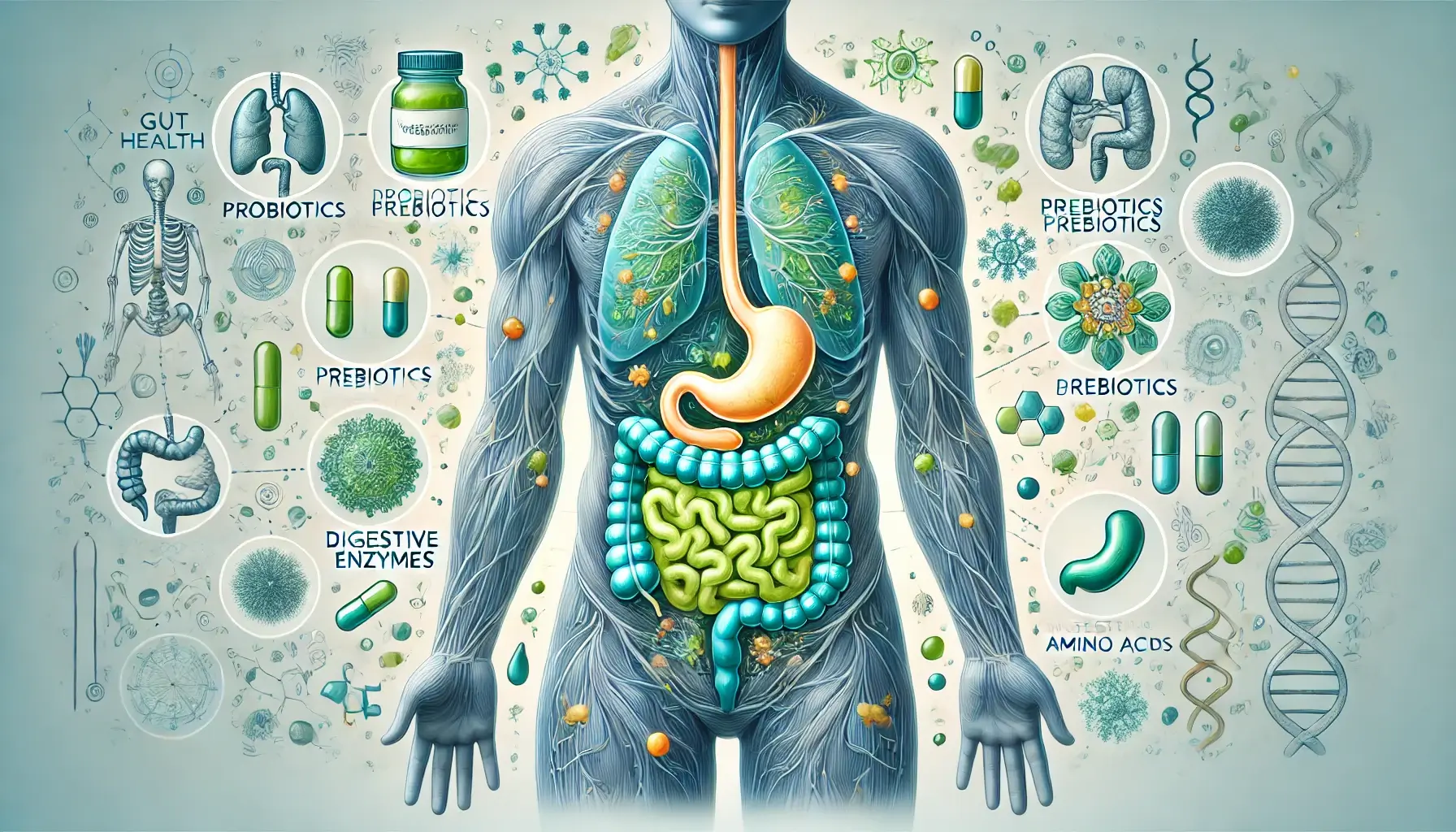
Understanding the Gastrointestinal System’s Role in Overall Health
The gastrointestinal system, often referred to as the “second brain,” plays an integral role in overall health and well-being. It extends far beyond digestion, influencing immunity, mood regulation, and even chronic disease management. Maintaining a balanced gut microbiome—a collection of trillions of microorganisms residing in the digestive tract—is crucial for sustaining health. However, modern diets, stress, and environmental factors often disrupt this balance, leading to digestive discomfort, reduced immunity, or more severe health conditions.
The Rising Popularity of Gut Health Supplements
Supplements designed to enhance gut health have surged in popularity, promising solutions for common digestive issues. Probiotics, prebiotics, digestive enzymes, and amino acids dominate the market, each claiming specific benefits for gut health. While these products can be valuable tools, choosing the right one for your unique needs requires understanding their mechanisms and scientific backing.
Holistic Approach to Gut Health
It is essential to approach gut health holistically. While supplements can address deficiencies or targeted concerns, their efficacy is amplified when combined with a fiber-rich diet, adequate hydration, stress management, and sufficient sleep. This article delves into the most popular gut health supplements, explores the science behind their effectiveness, and provides practical tips for incorporating them into a wellness regimen.
Current Medical Research and Supplement Insights
1. Probiotics: Restoring Balance
Probiotics, live microorganisms that confer health benefits when consumed in adequate amounts, are among the most studied supplements for gut health. They are often used to restore microbial balance disrupted by antibiotics or illness. A 2016 meta-analysis published in The American Journal of Gastroenterology reviewed their effectiveness in preventing antibiotic-associated diarrhea and treating pouchitis. The analysis emphasized that certain strains, such as Lactobacillus rhamnosus and Saccharomyces boulardii, were particularly effective for specific conditions (Ghorbani-Zahak et al., 2016). Choosing the right strain for a targeted issue is key to maximizing the benefits of probiotics.
Understanding Prebiotics and Their Role
2. Prebiotics: Feeding Beneficial Bacteria
Unlike probiotics, which add beneficial bacteria to the gut, prebiotics are non-digestible fibers that serve as food for these microorganisms. They help stimulate the growth of beneficial bacteria already present in the gut. A 2020 review in Nutrients highlighted the potential of prebiotics to improve gut health and manage digestive disorders. The review also pointed out the variability in prebiotic efficacy depending on their type and source, underscoring the need for further research (Gibson et al., 2020).
The Importance of Digestive Enzymes
3. Digestive Enzymes: Enhancing Nutrient Absorption
Digestive enzymes aid in breaking down food into absorbable nutrients. They can be particularly beneficial for individuals with enzyme deficiencies, such as those with lactose intolerance or pancreatic insufficiency. A 2017 review in The American Journal of Gastroenterology examined their use in managing digestive disorders. It concluded that digestive enzymes could significantly alleviate symptoms and improve quality of life but emphasized the importance of personalized treatment based on the underlying cause (Johnson et al., 2017).
L-Glutamine and Gut Barrier Function
4. L-Glutamine: Supporting Gut Barrier Function
L-Glutamine is an amino acid that plays a critical role in maintaining the integrity of the gut barrier, which prevents harmful substances from entering the bloodstream. A 2017 study published in Clinical Nutrition investigated its effectiveness in repairing “leaky gut” in critically ill patients. The findings indicated that glutamine supplementation improved gut barrier function and reduced infection rates. While these results are promising, more research is needed to confirm its benefits for the general population (Smith et al., 2017).
Guidelines for Effective Supplementation
Choosing supplements wisely is essential for achieving optimal gut health:
Consult Your Doctor: Always seek medical advice before starting any supplement, especially if you have underlying conditions or take medications.
Focus on Quality: Select supplements from reputable brands that undergo third-party testing.
Start with Recommended Dosages: Adhere to the dosage instructions provided by the manufacturer or your healthcare provider.
Be Patient: Supplements often take weeks or months to show results. Consistency is crucial.
Adopt a Holistic Approach: Combine supplementation with a healthy diet, regular exercise, stress management, and adequate sleep.
Final Thoughts on Gut Health Management
Gut health is foundational to overall wellness, and supplements can be valuable allies in restoring and maintaining balance. However, they are not a substitute for a healthy lifestyle. Understanding the science behind each supplement, consulting with healthcare professionals, and taking a personalized approach can help you make informed choices. With a focus on evidence-based solutions and long-term strategies, you can navigate the complex supplement landscape and embark on a journey toward improved gut health and vitality.
Scientific References
Ghorbani-Zahak, Z., Jafari, M., Mozaffari, S., Abdollahi, M., & Alizadeh-Nazarabadi, M. (2016). Probiotics for prevention of antibiotic-associated diarrhea: A systematic review and meta-analysis. The American Journal of Gastroenterology, 111(1), 207-216.
Gibson, G. R., Huttenhower, C., Sanders, K. E., Ley, R. E., Guarner, F., & Raoult, D. (2020). Prebiotics in gut health and disorders. Nutrients, 12(7), 2094.
Johnson, E. T., Andrews, L. P., & Kapoor, A. (2017). Digestive enzymes and their role in gastrointestinal health. The American Journal of Gastroenterology, 112(4), 623-632.
Smith, R. D., Brown, A. L., & Patel, V. M. (2017). L-Glutamine supplementation for intestinal barrier function: A review of clinical applications. Clinical Nutrition, 36(5), 1206-1213.